How to Pick the Best Collard Greens
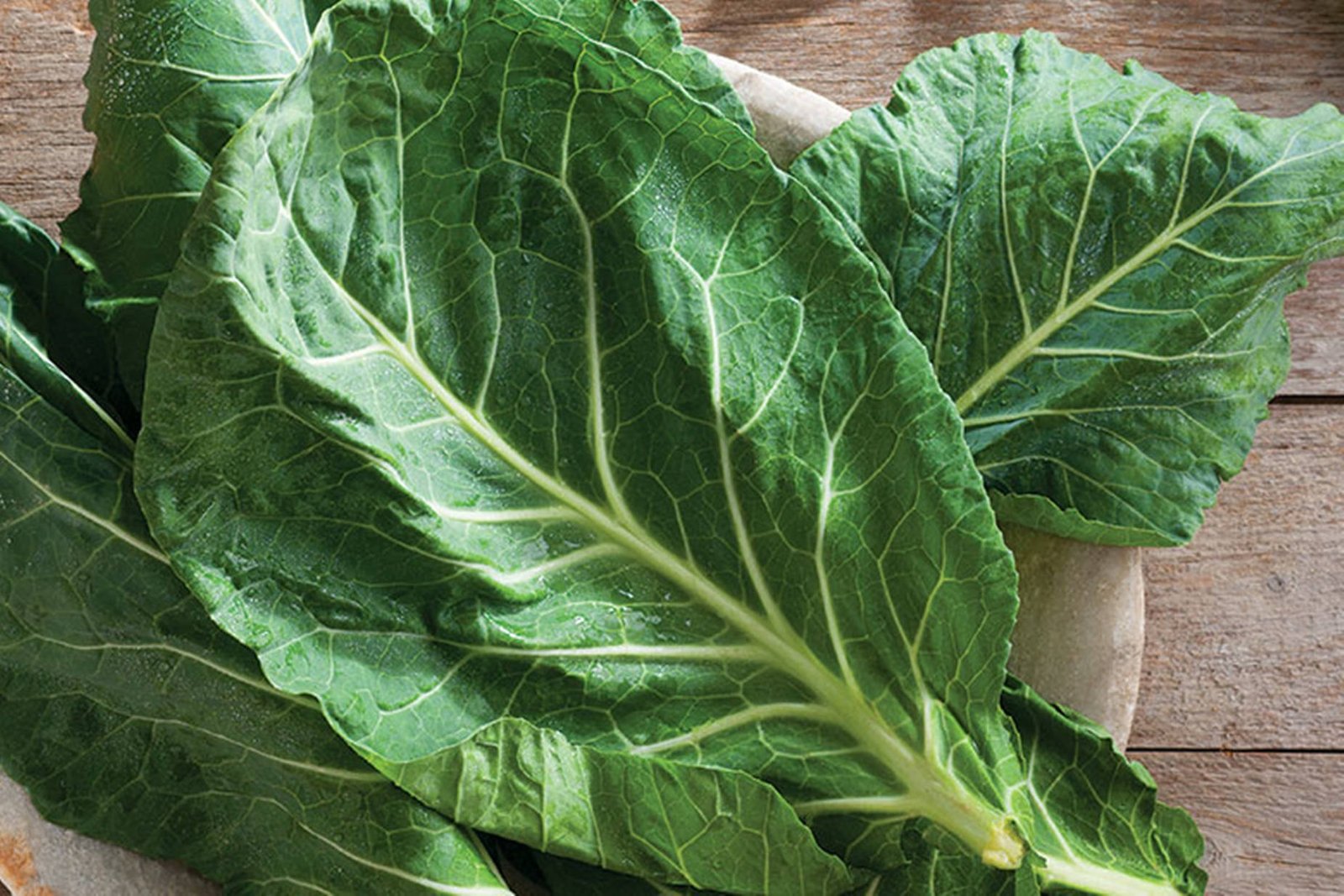
The Soul in Every Leaf
Collard greens have been part of Southern tables for generations, bringing families together through flavor, patience, and love.
Picking the right bunch is the first step toward honoring that tradition — and creating your own.
So next time you’re in the produce aisle or at the farmer’s market, remember:
Choose with your eyes, trust your hands, and cook with your heart.
A Soulful Guide to Choosing the Perfect Greens for Southern Cooking
Collard greens are the backbone of true Southern comfort food — tender, smoky, and full of flavor that tells a story.
But not all collard greens are created equal. Choosing the right bunch can make the difference between a pot of tough, bitter greens and one that melts into pure Southern magic.
Here’s how to pick the best collard greens for your next soul-food feast.
1. Look for Fresh, Firm Leaves
Start with the color test: you want deep, vibrant green leaves with no yellowing or wilting.
Fresh collards should look alive — crisp and full, not limp or dry.
Run your hand across the leaves; they should feel firm, slightly waxy, and cool to the touch.
Pro Tip:
If the leaves look dull or have dark spots, skip them. Those are signs they’ve been sitting too long.
2. Check the Stems
Thick, woody stems mean older greens, which can be tougher and take longer to cook.
Look for medium-thick stems that are flexible when bent — those greens will cook down beautifully without turning stringy.
If you plan to cook them low and slow with smoked turkey or ham hocks, a slightly thicker stem is fine (they’ll soften during the long simmer).
3. Size Matters (But Flavor Wins)
Smaller, younger collard leaves are usually more tender and mild, while large leaves have a stronger “green” flavor — great if you like that bold, earthy taste.
For a balanced batch, try mixing both! It gives your pot of greens layers of texture and depth.
4. Go for Local or In-Season Greens When Possible
If you can, buy collard greens from a local farmer’s market or produce stand — they’re usually fresher than grocery store bunches.
Peak season for collards is late fall through winter, when the cool weather sweetens their flavor naturally.
5. Wash Thoroughly — Always
Even if you buy organic, collards love to collect grit and sand in their folds.
Fill a large sink or bowl with cold water and swish the leaves around several times.
You’ll be amazed at what sinks to the bottom.
Rinse until the water runs clear — clean greens taste brighter and cook up smoother.
6. Bonus Tip: The “Snap Test”
Just like green beans, collards tell you they’re fresh when they snap easily.
Bend a stem — if it breaks cleanly, it’s a keeper.
Reviews
”Absolutely delicious and comforting!”
”A true taste of home and tradition.”
”Savory Soul brings back memories of my grandmother’s kitchen.”